
How SEO works
In today’s digital world, Improve Google ranking having a website is not enough. If people cannot find your website on search engines like Google, your business may lose valuable traffic and customers. This is where SEO becomes important. SEO helps websites rank higher in search engine results, increase visibility, and attract targeted visitors organically.

SEO techniques .
Improve SEO performance stands for Search Engine Optimization. It is the process of optimizing a website to improve its ranking on search engines such as Google, Bing, and Yahoo. The main goal of SEO is to drive organic traffic to a website without paying for advertisements.
SEO includes different strategies like keyword optimization, content creation, technical improvements, and backlink building. When done correctly, SEO helps search engines understand your website and show it to users searching for related topics.
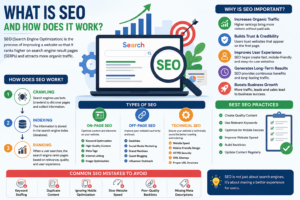
How search engines work
Search engines use advanced algorithms to analyze websites and decide which pages should appear first in search results. SEO works by improving different aspects of a website so search engines can easily crawl, index, and rank it.
There are three major steps search engines follow:
1. Crawling
Search engines use bots, also called spiders or crawlers, to discover new web pages on the internet. These bots scan websites and collect information about the content.
2. Indexing
After crawling, search engines store the collected data in their database, known as an index. If your website content is valuable and properly optimized, it gets indexed for relevant searches.
3. Ranking
When users search for a keyword, search engines display the most relevant pages based on ranking factors like content quality, keyword usage, backlinks, page speed, and user experience.
Types of SEO
SEO is divided into different categories that work together to improve website performance.
1. On-Page SEO
On-page SEO refers to optimizing elements directly on your website. It includes:
- Keyword optimization
- High-quality content
- Meta titles and descriptions
- Header tags
- Internal linking
- Image optimization
Using primary keywords naturally in content helps search engines understand the topic of your page.
2. Off-Page SEO
Off-page SEO focuses on activities outside your website to improve authority and trust. The most common strategy is backlink building.
Examples include:
- Guest posting
- Social media marketing
- Influencer outreach
- Brand mentions
Quality backlinks from trusted websites increase your domain authority and improve rankings.
3. Technical SEO
Technical SEO ensures your website works smoothly for both users and search engines.
Key elements include:
- Website speed optimization
- Mobile-friendly design
- Secure HTTPS connection
- XML sitemap
- Structured data
- Fixing broken links
A technically optimized website improves user experience and search engine performance.
Importance of SEO for Businesses
SEO is one of the most effective digital marketing strategies because it helps businesses grow organically. Here are some major benefits of SEO:
Increased Organic Traffic
SEO helps your website appear in search results when users search for related products or services. Higher rankings lead to more visitors.
Better User Experience
Optimized websites load faster, are mobile-friendly, and provide valuable information, improving user satisfaction.
Higher Brand Credibility
Users trust websites that appear on the first page of search engines. SEO helps build credibility and authority.
Cost-Effective Marketing
Unlike paid advertising, SEO provides long-term results without continuous spending on ads.
Higher Conversion Rates
SEO attracts targeted users who are already interested in your services, increasing the chances of conversions and sales.
Important SEO Ranking Factors
Search engines use hundreds of ranking factors to determine website positions. Some of the most important SEO ranking factors are:
Quality Content
Content should be informative, original, and valuable for users. Search engines prioritize content that answers user queries effectively.
Keyword Optimization
Using relevant keywords naturally throughout the content improves search visibility.
Mobile Optimization
Most users browse websites on mobile devices, so responsive design is essential.
Page Speed
Fast-loading websites improve user experience and reduce bounce rates.
Backlinks
Links from authoritative websites signal trust and improve rankings.
User Experience
Easy navigation, readable design, and engaging content increase website performance.
Common Mistakes to Avoid
Many beginners make SEO mistakes that can harm rankings. Avoid these common issues:
- Keyword stuffing
- Duplicate content
- Ignoring mobile optimization
- Slow website speed
- Poor-quality backlinks
- Missing meta descriptions
- Not updating old content
Following SEO best practices helps maintain long-term ranking stability.
Future
SEO continues to evolve as search engines become smarter. Artificial intelligence, voice search, and user intent are changing the way websites rank online. Businesses must focus on creating helpful, user-focused content instead of only targeting keywords.
Modern SEO strategies include:
- AI-powered content optimization
- Voice search
- Video
- Local
- Core Web Vitals optimization
Staying updated with SEO trends is important for maintaining online visibility and competitive rankings.
Conclusion
SEO, or Search Engine Optimization, is an essential part of digital marketing that helps websites rank higher on search engines and attract organic traffic. By understanding how SEO works and implementing proper SEO techniques, businesses can improve online visibility, increase website traffic, and generate more leads.
From on-page SEO and technical optimization to backlink building and content marketing, every SEO strategy contributes to better search engine rankings. Investing in SEO is a long-term approach that delivers sustainable growth and helps businesses succeed in the competitive online market.

